

Still Wired & Tired? Try This 3-Step Nervous System Reset
January often arrives with a quiet expectation that energy should simply return. The calendar flips, routines resume, and there is an unspoken assumption that rest naturally follows time off. Yet for many high-functioning adults, especially those coming off a demanding year, the body does not immediately respond that way.
Instead, sleep remains light or fragmented. Focus feels inconsistent. Motivation exists, but it takes more effort to access. Even moments of stillness can feel oddly uncomfortable. This state is commonly described as “wired and tired,” a pattern in which the nervous system remains activated long after external stressors have eased.
This article explains why your nervous system may still be in a heightened state and how to guide it back toward regulation in a way that is steady, supportive, and sustainable.
Why a Burnout Year Lingers in the Body
Burnout is rarely the result of a single event. More often, it develops gradually through prolonged cognitive load, emotional responsibility, decision fatigue, and insufficient recovery. Over time, the nervous system adapts to this environment by prioritizing vigilance.
From a biological perspective, this adaptation is logical. The autonomic nervous system is designed to keep you safe, not comfortable. When demands remain high for extended periods, the system recalibrates its baseline toward readiness. Even when the workload eases, the body may continue to operate as though it is still required to respond quickly and often.
This helps explain why rest alone does not always restore energy. Time off can remove stressors, but it does not automatically retrain the nervous system. Regulation is an active process, not a passive one.
Another essential factor is predictability. Burnout years often include uncertainty… changing schedules, shifting expectations, emotional labor, or constant context switching. The nervous system responds to unpredictability by staying alert. Without intentional cues of safety and rhythm, it has little reason to downshift.
Understanding this helps reframe the experience. Ongoing fatigue or restlessness is not a personal failure or a lack of discipline. It is a sign that the nervous system is still operating under an old set of instructions.
The Cost of Staying in a “Low-Grade Stress” State
When activation becomes chronic, it can subtly influence multiple systems in the body.
Sleep architecture may change, with lighter sleep stages dominating the night. Blood sugar regulation can become less stable, contributing to afternoon energy dips. Digestion may feel slower or more reactive. Emotional responses can become sharper or more muted, depending on the individual.
Cognitively, this state often shows up as mental fatigue rather than physical exhaustion. Tasks that once felt manageable now require more effort. Creativity may feel constrained. Motivation can fluctuate unpredictably.
These patterns are often indicators that your body has not yet received consistent signals of safety, recovery, and sufficiency.
What Nervous System Reset Actually Means
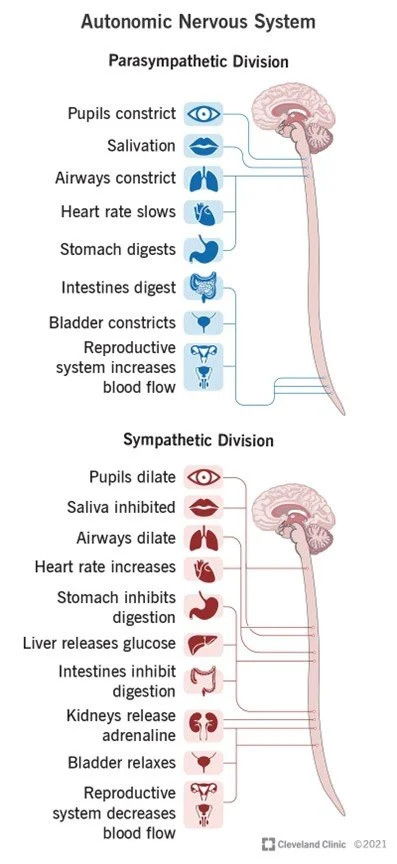
The idea of a “reset” is often misunderstood. In this context, it does not mean eliminating stress or achieving constant calm. It means restoring flexibility.
A regulated nervous system can respond appropriately to a challenge and then return to baseline without excessive effort. It can mobilize energy when needed and release it when the demand has passed.
Resetting the nervous system involves three foundational shifts:
Reducing background activation.
Re-establishing predictable rhythms.
Supporting the body’s capacity for repair.
These shifts are not achieved through a single technique. They emerge through consistent, low-intensity practices that accumulate over time.
The 3-Step Nervous System Reset
Step 1: Reduce Background Activation
Background activation refers to the constant, low-level signals that keep the nervous system slightly elevated throughout the day. These signals often go unnoticed because they feel normal.
Common sources include:
Continuous notifications or open tabs.
Irregular eating patterns.
Skipped breaks.
Multitasking during rest periods.
Exposure to stimulating content late in the day.
The goal of this step is not to eliminate stimulation, but to reduce the volume at which it operates.
One practical starting point is creating brief “transition buffers.” These are short pauses that signal a shift from one activity to another. A buffer can be as simple as standing up, taking two slow breaths, or looking out a window before moving on to the next task.
Another strategy is simplifying inputs during recovery periods. Eating without screens, dimming lights earlier in the evening, or listening to steady, non-lyrical sounds can all reduce cognitive load without requiring additional effort.
Over time, these minor adjustments lower the overall activation tone in the nervous system, making regulation more accessible.
Step 2: Re-Establish Predictable Rhythms
The nervous system is highly responsive to rhythm. Regularity in daily patterns creates a sense of safety at a biological level. This does not require a rigid schedule. Instead, it requires consistency in key anchors.
Examples of effective anchors include:
Waking within a similar window each day.
Eating the first meal at a predictable time.
Getting light exposure in the morning.
Creating a consistent wind-down sequence in the evening.
These anchors help synchronize internal clocks, including those involved in hormone release, digestion, and sleep regulation. When the body knows what to expect, it expends less energy scanning for potential disruptions.
Predictability also reduces decision fatigue. Fewer daily choices free up cognitive resources that can then be directed toward recovery and repair.
Importantly, rhythms should feel supportive rather than restrictive. If a routine increases pressure or self-criticism, it is unlikely to promote regulation.
Step 3: Support Repair, Not Just Output
Many high-achieving individuals are skilled at generating energy when required. The challenge often lies in supporting repair.
Repair processes occur most efficiently when the nervous system is in a parasympathetic-dominant state. This state supports tissue repair, immune function, memory consolidation, and emotional processing.
Activities that encourage repair include:
Gentle, rhythmic movement.
Slow, extended exhalation breathing.
Warmth, such as baths or heated blankets.
Practices that encourage internal awareness without analysis.
These activities are effective because they are repeatable. Consistency matters more than intensity. It’s also important to note that internal resources influence repair. Adequate protein intake, micronutrient sufficiency, and stable blood sugar all support nervous system resilience. When these foundations are lacking, regulation becomes more difficult regardless of mindset or intention.
Why Pushing Through Delays Recovery
Pushing through fatigue often feels productive in the short term. Tasks get completed. Responsibilities are met. The appearance of momentum is maintained. However, from a nervous system perspective, this approach reinforces the pattern that led to burnout in the first place. It teaches the system that signals of fatigue are not relevant and that activation must be maintained to meet expectations. Over time, this can reduce sensitivity to internal cues, making it harder to recognize when rest is actually needed. Recovery then requires more effort and longer timeframes.
Supporting regulation does not mean disengaging from goals. It means aligning effort with capacity so that energy can be rebuilt rather than borrowed.
The Role of Individual Differences
Not all nervous systems respond to stress or recovery in the same way. Genetic variations influence neurotransmitter balance, stress hormone metabolism, inflammation, and mitochondrial efficiency. Lifestyle history also matters. Sleep debt, past trauma, metabolic health, and environmental exposures all shape how the nervous system responds to recovery efforts. This is why generalized advice can feel incomplete. What supports regulation for one person may feel ineffective or even destabilizing for another.
A personalized approach considers both biological predispositions and current life context. It focuses on creating conditions that allow the nervous system to recalibrate gradually rather than forcing a predefined outcome.
Signs Your Nervous System Is Beginning to Re-Regulate
Progress in nervous system health is often subtle at first. Early signs tend to include:
Slightly deeper or more continuous sleep.
Improved tolerance for minor stressors.
A sense of mental spaciousness.
Reduced urgency around tasks.
More consistent energy across the day.
These shifts indicate increased flexibility, which is the true marker of regulation. Over time, flexibility supports resilience, clarity, and sustainable performance.
Why January Is an Ideal Time for This Work
January offers a natural pause. External expectations often soften slightly, and there is cultural permission to reset routines. More importantly, the nervous system is often receptive during this period. After a high-demand season, the contrast between activation and rest becomes more noticeable. This awareness can be used to guide intentional recalibration. Rather than setting ambitious productivity goals, January can be framed as a repair phase. The energy rebuilt during this time supports more effective output later in the year.
Integrating This Reset Into Real Life
A nervous system reset does not require withdrawing from responsibilities or adding hours of self-care. It requires strategic adjustments that fit into existing routines.
Examples include:
Starting the day with light exposure before checking messages.
Scheduling meals at consistent times.
Ending workdays with a brief decompression ritual.
Choosing movement that feels grounding rather than depleting.
The goal is not perfection. It is coherence. Small, aligned actions repeated over time create meaningful shifts in nervous system tone.
Moving Forward With Support
For many people, self-directed efforts are enough to initiate regulation. For others, additional structure and guidance are helpful, especially after a prolonged burnout period. This is where supported programs can play a role. A structured framework provides consistency, accountability, and education, reducing the cognitive load of figuring everything out independently. If this article resonates, and you recognize patterns of persistent activation or depleted energy, you may benefit from a more guided approach.
Invitation: Join The Post-Holiday Reboot
The Post-Holiday Reboot is a structured, six-week program designed to support nervous system regulation, energy recovery, and sustainable routines after a demanding season.
The program integrates:
Nervous system-supportive lifestyle strategies
Sleep and stress regulation tools
Nutrition and recovery principles
Gentle accountability and education
The focus is not on pushing or optimizing for output, but on rebuilding capacity in a way that aligns with your biology and real life.
Recovery is not something to rush. When the nervous system is supported properly, energy returns in a way that is steadier, clearer, and easier to sustain.