


Is Your Morning Routine Helping or Hurting Your Energy?
A healthy morning routine can support your energy by helping your body transition from sleep into wakefulness in a way that works with your natural circadian rhythm. Morning light, consistent wake times, hydration, nourishing food, movement, and the way you introduce stimulation can all influence how you feel throughout the day. The best morning routine doesn’t need to be elaborate. It needs to support your sleep, energy, stress level, and lifestyle in a way that you can realistically repeat.
Why September Feels Like a Second New Year, and How to Reset Without Burning Out
September often feels like a second New Year because seasonal and schedule changes create a natural psychological fresh start. That renewed motivation can be helpful, especially after the looser rhythm of summer. Problems tend to arise when a reset becomes an attempt to change everything at once. A healthier approach focuses on a few realistic habits that support your sleep, energy, stress levels, nutrition, and daily routines. Sustainable change is more likely when your reset fits your current life and gives your body enough time to adapt.
In this article, you’ll learn why September can feel like a fresh start, why healthy resets sometimes become overwhelming, how stress and recovery influence your ability to make changes, and how to create a reset that is realistic enough to last.

What Your DNA Can, and Can’t, Tell You About Your Health
DNA testing can provide useful clues about how your body may respond to nutrition, sleep, stress, exercise, caffeine, certain nutrients, and other aspects of health. It can also identify genetic tendencies that may make some areas of health worth closer attention. Your DNA cannot predict exactly what will happen to your health or tell you what is happening in your body today. Genetics works alongside your lifestyle, environment, family history, age, health history, and daily habits. When used thoughtfully, DNA becomes another piece of information that can help you understand your body more clearly and make more personalized health decisions.
Five Everyday Habits That Quietly Increase Inflammation
Inflammation is a normal and necessary part of the body’s immune response. It helps protect you from infection and supports healing after an injury. Problems appear when inflammation remains active for extended periods, even when there is no immediate threat requiring that response.
Daily patterns involving food quality, sleep, prolonged sitting, chronic stress, and limited dietary variety may contribute to an internal environment that supports ongoing inflammation. Simple, everyday activities can help reduce inflammation. Eating more minimally processed foods, moving regularly, protecting your sleep, creating small recovery periods, and including a wider variety of plant foods can all support a healthier inflammatory balance.
Let’s talk about five common habits that may quietly contribute to chronic low-grade inflammation, along with realistic ways to begin shifting them.
Why Recovery Is More Important Than Productivity (And Why Doing More Isn't Always the Answer)
Productivity is often measured by how much we accomplish, but sustainable performance depends just as much on recovery as it does on effort. Recovery allows your brain and body to repair, adapt, and prepare for future demands. It supports better sleep, sharper focus, improved emotional regulation, healthier metabolism, and sustained energy. Rather than slowing you down, intentional recovery helps you perform at your best for the long term.

Are You Actually Hydrated? The Surprising Connection Between Hydration, Energy, and Sleep
Hydration influences much more than thirst. Every cell in your body depends on adequate fluid balance to transport nutrients, regulate body temperature, support brain function, and produce energy. Even mild dehydration can contribute to fatigue, headaches, reduced concentration, and poorer sleep quality. While drinking enough water is important, hydration is also influenced by electrolytes, nutrition, activity level, medications, and individual biology. Supporting hydration consistently throughout the day can improve energy, cognitive performance, and sleep while helping your body function at its best.

Why Your Energy Crashes in the Afternoon (And What Your Body Is Trying to Tell You)
Many people accept an afternoon energy crash as a normal part of a busy life, but persistent fatigue often signals that your body needs support. Learn how sleep, nutrition, stress, hydration, movement, and your daily habits influence energy, along with practical steps you can take to maintain steady focus and vitality throughout the day.

Why Your Energy Feels Inconsistent (Even When You’re Doing Everything “Right”)
There is a point at which effort stops being the limiting factor in how energy feels throughout the day. Most people who reach this point aren’t underperforming or disengaged. In fact, they often do a great many things well. They are paying attention to their nutrition, exercising consistently, and making an effort to support their sleep. They are intentional about their routines and aware of what they put into their bodies. On paper, everything looks aligned. And yet, their energy doesn’t feel stable.
When “Healthy” Starts to Feel Like Too Much
Recently, I sat down to dinner and ate a meal that, on paper, would be considered very healthy. Spinach dal with leftover mixed grains. A large salad with a wide variety of vegetables. A hard-boiled egg.
These are all foods I eat regularly. Nothing felt out of place. And yet, shortly after eating, I felt it. A wave of nausea. A headache that built quickly, sitting somewhere between dull and sharp. A sense that something in my system wasn’t settling the way it normally does. It wasn’t dramatic, but it was clear. My body was responding.

Are You Building Stress Tolerance or Just Storing Stress?
Sustainable high performance requires stress. It also requires recovery.
Many high achievers assume that the ability to tolerate pressure means they are becoming more resilient. In reality, there is an important distinction between adapting to stress and accumulating stress. One strengthens the system. The other quietly depletes it.
Stress itself is not inherently harmful. The body is designed to respond to challenge. The nervous system mobilizes energy, sharpens attention, and increases cardiovascular output in order to meet demand. When that activation is followed by adequate recovery, the system recalibrates and becomes more capable the next time.
Problems arise when activation is continuous, and recovery is incomplete. At that point, the body is no longer adapting. It is storing.
Understanding the difference changes how we design performance, leadership, and longevity.

Why Your Brain Feels Full: Understanding Cognitive Load and Decision Fatigue
Sustainable high performance depends on physiological capacity. Cognitive clarity is not created by willpower alone, and it is not sustained by productivity tools in isolation. The brain functions within biological limits. When those limits are consistently exceeded without adequate recovery, mental sharpness declines.
Many high-achieving professionals describe a period when their thinking feels crowded. Decisions that once felt simple begin to require more time. Concentration becomes less stable. There is a subtle sense of friction in tasks that used to flow. The common interpretation is that something is wrong with focus, discipline, or motivation. In most cases, what has changed is biological bandwidth.
The experience of a “full brain” is often a signal of cognitive load exceeding recovery capacity. When we understand the physiology behind this experience, we can respond strategically rather than pushing harder.

Your Heartbeat Is a Longevity Signal. Here’s How to Strengthen It
When most people think about heart health, they focus on crisis prevention. Heart attacks. High blood pressure. Cholesterol numbers. A single moment in the future when something “goes wrong.” But from a physiology and longevity perspective, your heart is not a device you monitor only when it malfunctions. It is a continuously responsive organ that reflects how well your entire system is adapting to life.
Your heartbeat conveys information about your nervous system, hormonal balance, metabolic flexibility, sleep quality, and cumulative stress load. In other words, your heart is not only a pump. It’s a signal. And when we learn to interpret and support that signal, cardiovascular health stops being a distant outcome and becomes a daily, trainable capacity. This is where longevity science has shifted in recent years… away from isolated markers and toward patterns of adaptability, resilience, and recovery.

How to Start Your Day Calm, Not Chaotic
For many people, mornings quietly set the tone for the entire day.
Not because of what gets accomplished, but because of how the nervous system is engaged in those first moments of waking. A rushed start, even a subtle one, can create a sense of urgency that lingers well into the afternoon. A steadier start often creates more space than expected, even on busy days.
By late January, this becomes especially noticeable. The initial push to “get back into routine” has passed, and what’s left is reality. Work demands are real. Family needs don’t disappear. Energy may be improving, but it still feels finite.
This is where morning routines often get misunderstood.
A resilient morning routine is not about doing more before 9 a.m. It’s not about optimization or discipline. It’s about how the body transitions from rest into engagement, and whether that transition supports steadiness or reinforces stress.
This article explores what actually makes a morning routine resilient, why calm matters more than control, and how to shape mornings to support energy rather than drain it.
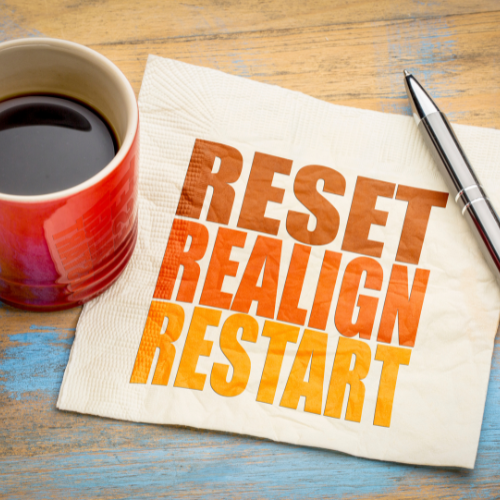
Feeling Off Track? Here’s How to Reset Without a Crash Diet
Even if you were mindful with your choices, it’s normal to feel a bit out of rhythm after holiday meals, social gatherings, travel, or changes in routine.
Maybe your sleep feels lighter.
Maybe your cravings feel stronger.
Maybe your stress feels higher or your energy dips more quickly.
This isn’t about willpower or “getting back on track.”
This is biology.
The holidays often mean higher sugar intake, irregular meal timing, richer foods, alcohol, and elevated stress. This combination directly affects blood sugar, inflammation, cortisol, and your circadian system.
The good news? Your body is highly adaptive, and you can recover without extremes, restrictions, or crash diets.
This article will show you how.

The UTI That Showed Up Uninvited
Sunday morning started peacefully enough… until it didn’t.
I woke up with that feeling. If you’ve ever had a UTI, you know exactly what I mean. It’s unmistakable. Unforgettable. And absolutely capable of derailing your entire plans for the day in under 60 seconds.

Don’t Let the Holidays Wreck Your Sleep
Between late-night parties, family visits, travel plans, and endless to-do lists, the holiday season can quietly sabotage your sleep.
Even people who usually sleep well can find themselves tossing and turning, waking in the middle of the night, or running on caffeine by mid-December. And poor sleep affects your immune system, hormone balance, appetite, and emotional resilience.
When your sleep goes off track, your whole rhythm follows. The key is to protect your circadian balance so your body can recover, even when your routine shifts.
holiday sleep, travel sleep tips, circadian rhythm, sleep and stress, party recovery, insomnia during holidays, jet lag, sleep hygiene, holiday wellness, The Nourished Holiday

Holiday Sugar Spikes? Your Brain and Body Say No Thanks
Cookies at the office, festive drinks, endless desserts — sugar seems to appear everywhere during the holidays. A few indulgences aren’t the problem; it’s the rollercoaster effect that follows constant snacking and late-night treats.
When your blood sugar rises and falls sharply, you might notice:
Afternoon fatigue or brain fog
Irritability or anxiety after meals
Cravings that hit even when you’re not hungry
Restless sleep or energy crashes
Those symptoms aren’t about willpower — they’re physiology. Understanding what’s happening inside your body helps you make choices that keep you feeling balanced.
holiday sugar, blood sugar balance, mindful indulgence, sugar cravings, healthy holidays, stress and sugar, emotional eating

What’s In Your Air, Water & Home? Detoxing Beyond Food
When most people hear the word detox, they think of juice cleanses or eliminating sugar and processed foods. But here’s the truth: your body’s detox system isn’t just influenced by what you eat. It’s also shaped by what you breathe, what you drink, and even what surrounds you in your home.
If you’ve been focusing only on nutrition, you may be missing a big piece of the puzzle. Everyday toxins in the air, water, and household environment can quietly stress your body, disrupt sleep, and impact long-term health.
This article explores where those hidden exposures come from, how they affect your body, and practical steps you can take to detox beyond food.

What’s in Your Gut Could Be Your Brain
If you’ve ever had a “gut feeling,” felt butterflies in your stomach before a big moment, or noticed digestive issues flare up during stress, you’ve already experienced the powerful link between your gut and your brain.
This isn’t just a metaphor; it’s biology.
Emerging science is revealing that the gut and brain are in constant communication through a complex network known as the gut-brain axis. And here’s the fascinating part: the microbes in your gut may influence your mood, focus, memory, and mental health more than we ever thought possible.
Let’s explore how your gut might be shaping your brain and what you can do to support both.
gut-brain connection
microbiome and mental health
gut health and mood
how gut affects brain
gut-brain axis
foods for gut-brain health
prebiotics for mental clarity
probiotics and mood
journaling for gut health

Don’t Let Travel Derail You: Stay on Track With These Health Habits, Even on the Go
Whether you're traveling for business, taking a well-earned vacation, or heading to a family event, one thing’s for sure: your usual routine goes out the window. And with it? Often, your hard-earned progress around nutrition, sleep, movement, and overall well-being.
But it doesn’t have to be that way.
With the right mindset and a few simple strategies, you can stay grounded, energized, and aligned with your health goals, even when you’re far from home. In fact, travel can be a great opportunity to practice flexibility without losing momentum.
This article is your cheat sheet to travel-smart living. The kind that works with real life, not against it.
stay healthy while traveling
travel wellness tips
maintain habits on vacation
healthy routines on the go
travel health tips
wellness while traveling
business travel nutrition
energy tips for travel