


Seasonal changes can affect sleep, mood, appetite, and energy because your body responds to changes in daylight, temperature, activity, and daily routines. As daylight shortens in the fall, your circadian rhythm can begin to shift. Changes in morning light exposure can influence when you feel alert and when your body prepares for sleep. Cooler temperatures may also affect sleep, while darker evenings can change activity levels, eating habits, and how much time we spend indoors. Paying attention to light exposure, sleep timing, meals, movement, and recovery can help your body adjust more smoothly as the seasons change.

Wellness information is everywhere today. You can find recommendations on what to eat, when to exercise, how much sleep you need, which supplements to take, how much protein to consume, and how to manage stress.
Some of this advice is useful. Some of it is oversimplified. Much of it lacks enough context, and that's where frustration often begins. A recommendation may be generally healthy but still needs adjustment based on your age, health history, medications, activity level, stress load, sleep quality, schedule, genetics, and personal preferences. The advice itself is only one part of the picture. The person receiving it matters just as much.
In this article, you’ll learn why people can respond differently to the same health advice, what personalized wellness actually means, where genetics can be useful, and how to make better decisions without turning your health into a full-time project.

Constant busyness can affect your brain and body even when you don’t feel obviously stressed. Moving from one task, decision, notification, conversation, and responsibility to the next keeps your system continually adapting. Over time, that ongoing demand can contribute to mental fatigue, disrupted sleep, emotional reactivity, reduced concentration, and a greater need for recovery. Chronic stress can show up in ordinary patterns of functioning, including getting everything done while rarely giving yourself a true pause.

A healthy morning routine can support your energy by helping your body transition from sleep into wakefulness in a way that works with your natural circadian rhythm. Morning light, consistent wake times, hydration, nourishing food, movement, and the way you introduce stimulation can all influence how you feel throughout the day. The best morning routine doesn’t need to be elaborate. It needs to support your sleep, energy, stress level, and lifestyle in a way that you can realistically repeat.
September often feels like a second New Year because seasonal and schedule changes create a natural psychological fresh start. That renewed motivation can be helpful, especially after the looser rhythm of summer. Problems tend to arise when a reset becomes an attempt to change everything at once. A healthier approach focuses on a few realistic habits that support your sleep, energy, stress levels, nutrition, and daily routines. Sustainable change is more likely when your reset fits your current life and gives your body enough time to adapt.
In this article, you’ll learn why September can feel like a fresh start, why healthy resets sometimes become overwhelming, how stress and recovery influence your ability to make changes, and how to create a reset that is realistic enough to last.

As summer winds down, changes in daylight, temperature, routines, and activity can all affect sleep. Your circadian rhythm relies heavily on light and darkness to help regulate when you feel alert and when your body begins preparing for sleep. Cooler evenings may support sleep, while changing schedules, reduced morning light, later meals, travel, and the return to busier fall routines can make sleep feel less predictable. Preparing for the seasonal shift doesn't require a dramatic reset. A few consistent habits, especially around morning light, bedtime, evening routines, movement, and bedroom comfort, can help your body adjust more smoothly and support better sleep as fall approaches.

High achievers can remain productive while stress quietly builds in the background. Changes in sleep, concentration, patience, muscle tension, energy, and recovery may appear long before you think of yourself as stressed. Learn how to recognize your personal early-warning signs and create recovery before exhaustion becomes your normal.

DNA testing can provide useful clues about how your body may respond to nutrition, sleep, stress, exercise, caffeine, certain nutrients, and other aspects of health. It can also identify genetic tendencies that may make some areas of health worth closer attention. Your DNA cannot predict exactly what will happen to your health or tell you what is happening in your body today. Genetics works alongside your lifestyle, environment, family history, age, health history, and daily habits. When used thoughtfully, DNA becomes another piece of information that can help you understand your body more clearly and make more personalized health decisions.

Inflammation is a normal and necessary part of the body’s immune response. It helps protect you from infection and supports healing after an injury. Problems appear when inflammation remains active for extended periods, even when there is no immediate threat requiring that response.
Daily patterns involving food quality, sleep, prolonged sitting, chronic stress, and limited dietary variety may contribute to an internal environment that supports ongoing inflammation. Simple, everyday activities can help reduce inflammation. Eating more minimally processed foods, moving regularly, protecting your sleep, creating small recovery periods, and including a wider variety of plant foods can all support a healthier inflammatory balance.
Let’s talk about five common habits that may quietly contribute to chronic low-grade inflammation, along with realistic ways to begin shifting them.

Maybe you even slept for seven or eight hours. You wake up expecting to feel refreshed, yet by midmorning you are rereading the same email, forgetting what you were about to do, and staring at your to-do list with no idea where to begin.
Maybe you are awake, and your brain already feels finished. This kind of exhaustion can be confusing. It often leads people to question their sleep, motivation, discipline, or ability to keep up. You may wonder whether you need another coffee, a more organized schedule, or a stronger push to get through the day. In many cases, your brain may simply be carrying too much.
Mental fatigue can build when your mind spends long periods concentrating, solving problems, managing emotions, making decisions, responding to interruptions, or anticipating what might happen next. It can affect people during an especially demanding week, and it can also become part of daily life when the brain rarely gets a true break.
Understanding mental fatigue can help you respond with more awareness and less self-criticism. It can also help you recognize that feeling mentally exhausted does not always mean you need to try harder. Sometimes it means your brain needs fewer demands and more opportunities to recover.
In This Article
You will learn:
What mental fatigue feels like
Why sleep does not always resolve it
How stress and constant stimulation drain mental energy
Why high achievers may be especially vulnerable
What you can do to support clearer thinking and steadier energy
Productivity is often measured by how much we accomplish, but sustainable performance depends just as much on recovery as it does on effort. Recovery allows your brain and body to repair, adapt, and prepare for future demands. It supports better sleep, sharper focus, improved emotional regulation, healthier metabolism, and sustained energy. Rather than slowing you down, intentional recovery helps you perform at your best for the long term.

Hydration influences much more than thirst. Every cell in your body depends on adequate fluid balance to transport nutrients, regulate body temperature, support brain function, and produce energy. Even mild dehydration can contribute to fatigue, headaches, reduced concentration, and poorer sleep quality. While drinking enough water is important, hydration is also influenced by electrolytes, nutrition, activity level, medications, and individual biology. Supporting hydration consistently throughout the day can improve energy, cognitive performance, and sleep while helping your body function at its best.

Stress doesn't always look like anxiety or feeling overwhelmed. It often appears as disrupted sleep, persistent fatigue, brain fog, irritability, or declining motivation. Learn how to recognize the hidden signs that your nervous system needs recovery and discover practical, science-based strategies to build resilience and support long-term health.

Many people accept an afternoon energy crash as a normal part of a busy life, but persistent fatigue often signals that your body needs support. Learn how sleep, nutrition, stress, hydration, movement, and your daily habits influence energy, along with practical steps you can take to maintain steady focus and vitality throughout the day.

Stress management has become a common goal in the health and wellness world. People are encouraged to meditate, exercise, take deep breaths, improve their sleep, spend time in nature, and develop healthier routines. These strategies can be incredibly valuable, yet many people find themselves wondering why they still feel overwhelmed, exhausted, or stretched thin despite actively working on stress management. Part of the answer lies in how we think about stress in the first place.
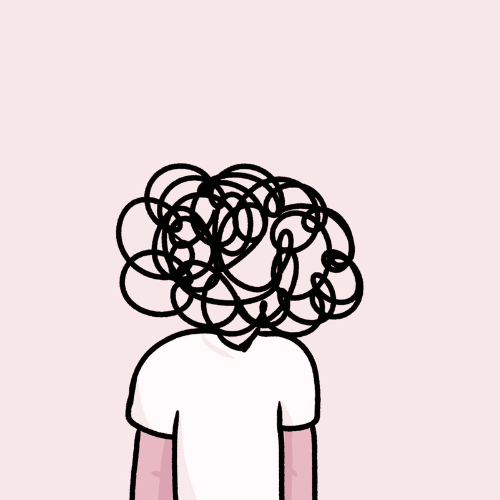
Many people assume they would know if they were stressed. They imagine stress as feeling anxious, overwhelmed, irritable, or emotionally reactive. They associate it with obvious symptoms and difficult circumstances. Yet one of the most fascinating aspects of human physiology is that the body can be carrying a significant stress load long before the mind consciously recognizes it.

Overwhelm is often described as having too much to do and not enough time to do it. When responsibilities pile up, calendars fill, and demands increase, it is easy to assume the solution lies in better organization, stronger discipline, or more efficient systems. While these things can certainly help, they rarely explain why some days feel manageable while other days make even simple tasks feel difficult.
Overwhelm is not simply about workload. More often, overwhelm reflects what is happening inside the body. It reflects how much demand the nervous system believes it can currently support and how much capacity remains available to meet those demands. Understanding overwhelm from this perspective changes how we approach it, because the goal shifts away from simply doing more and toward supporting the systems that manage load in the first place.
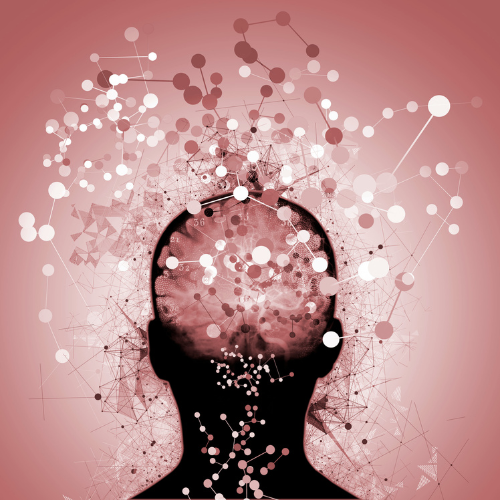
Mental clarity is often treated as a productivity issue. When focus drops, when decision-making feels slower, or when thoughts become scattered, the default response is usually to look for better tools, improved time management, or stronger discipline. These strategies can help at the surface level, but they rarely address the underlying driver of how well the brain can function in the first place.
Mental clarity is a physiological state. At the center of that state is the nervous system, which continuously determines whether the body is operating in a mode that supports clarity or one that prioritizes protection.

Sleep has become something many people feel they need to manage carefully. There is often a growing list of strategies, tools, and routines, each designed to improve sleep quality. While many of these can be helpful, the overall approach can quickly become complex. The more complicated it feels, the harder it can be to maintain consistently.
In practice, deep, restorative sleep is not usually the result of doing more. It’s the result of supporting the underlying systems that allow sleep to happen naturally. When those systems are working together, sleep tends to feel more stable and less effortful. When they are not, it can feel like something always needs to be adjusted.
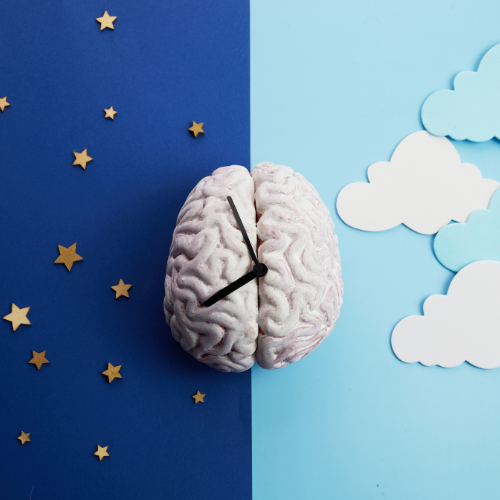
Waking up in the middle of the night can feel random at first, but when it starts happening around the same time, it often raises a different kind of question. Many people notice a pattern of waking somewhere between 2 and 3 AM, sometimes fully alert, sometimes just aware enough to realize they are no longer asleep. When this becomes consistent, it usually reflects a pattern within the body rather than a one-off disruption.

Sleep is often approached with the idea that it needs to be done “correctly.” There’s an expectation that if you follow the right routine, go to bed at the right time, and get the ideal number of hours, your sleep should become stable and predictable. When it doesn’t, even small variations can feel like something is off. In practice, sleep does not operate as a fixed outcome from one night to the next. It is shaped by patterns over time. What matters most is not whether each individual night meets a specific standard, but whether your body has a consistent rhythm it can rely on. Sleep quality tends to improve when the system receives clear, repeated signals about when to be awake and when to rest. This is why sleep consistency often matters more than sleep perfection.

From a physiological perspective, the nervous system is responsible for managing how your body responds to demands and returns to recovery. During the day, your system naturally moves into a more activated state to support thinking, problem-solving, movement, and engagement. This activation is useful and necessary, but it is not designed to remain elevated continuously. Falling asleep requires a transition away from that activated state. When the nervous system gradually shifts into a more regulated state, the body begins to support processes associated with rest, including slower breathing, a reduced heart rate, and a general sense of settling. When that shift happens smoothly, sleep tends to feel natural and relatively effortless. When the shift is incomplete or delayed, sleep can feel harder to access.
Sleep is often treated as something that begins at night. You create a routine, dim the lights, put your phone away, maybe take a supplement, and expect your body to respond. When it doesn’t, the assumption is usually that something is wrong with sleep itself.
In reality, sleep is not a standalone function. It’s the final expression of how your body has been regulated throughout the entire day. Sleep cannot be fixed in isolation because it reflects how your system has been supported, or strained, from morning through evening.
What happens during the day determines how easily your system can shift into sleep at night. This is why two people can follow the same evening routine and have completely different experiences. One falls asleep within minutes, while the other lies awake, mind active, body unsettled, waiting for a transition that never fully happens. The difference is physiology.
Recovery is often associated with time away from work. It’s framed as something that happens at the end of the day, on weekends, or during periods of rest. Sleep is usually placed at the center of this conversation, and while it’s essential, it’s not the only place where recovery occurs.
For many people, recovery has become something they expect to “catch up on” later. The day is structured around output, and recovery is reserved for when everything else is complete. This approach can work temporarily, but over time it tends to create a pattern in which the body is asked to sustain more than it can restore. When recovery is delayed, compressed, or inconsistent, energy begins to feel less stable. Focus becomes more effortful, sleep becomes less restorative, and the body has less capacity to respond to daily demands. Recovery isn’t a single event. It’s a process that unfolds continuously throughout the day.

There’s a certain level of fatigue that has become normalized. It often shows up as a dip in the afternoon, a need for caffeine to maintain focus, or a sense that getting through the day requires more effort than it used to. For many high-functioning individuals, this is interpreted as something to work through. The ability to keep going despite feeling tired is often seen as a strength. It can boost productivity in the short term and create momentum. Over time, however, consistently overriding fatigue begins to change how the body regulates energy, stress, and recovery. When that feedback is repeatedly bypassed, the systems responsible for maintaining energy begin to adapt in ways that are less supportive over time.

There is a point at which effort stops being the limiting factor in how energy feels throughout the day. Most people who reach this point aren’t underperforming or disengaged. In fact, they often do a great many things well. They are paying attention to their nutrition, exercising consistently, and making an effort to support their sleep. They are intentional about their routines and aware of what they put into their bodies. On paper, everything looks aligned. And yet, their energy doesn’t feel stable.

Recently, I sat down to dinner and ate a meal that, on paper, would be considered very healthy. Spinach dal with leftover mixed grains. A large salad with a wide variety of vegetables. A hard-boiled egg.
These are all foods I eat regularly. Nothing felt out of place. And yet, shortly after eating, I felt it. A wave of nausea. A headache that built quickly, sitting somewhere between dull and sharp. A sense that something in my system wasn’t settling the way it normally does. It wasn’t dramatic, but it was clear. My body was responding.

When people attempt to change their health habits, the focus often lands on strategy. New routines are introduced, schedules are reorganized, and goals are defined. While these elements can be helpful, long-term change rarely depends on strategy alone. It is shaped more deeply by identity.
Identity influences how we interpret our experiences, how we respond to stress, and which behaviors feel natural or sustainable. It acts as an internal framework that guides everyday decisions, often without conscious awareness. From a biological perspective, identity influences physiology through behavior patterns and nervous system signaling. The way we see ourselves affects how we eat, sleep, move, and respond to pressure. Over time, these patterns shape metabolic health, stress resilience, and cognitive performance. This relationship between identity and physiology is often overlooked in discussions of health optimization. Yet it is central to sustainable change.
When behavior aligns with identity, habits feel stable and consistent. When behavior conflicts with identity, even well-designed plans can feel difficult to maintain. Understanding this connection allows us to approach health change in a more integrated way.

When people think about improving sleep, the conversation often centers on total sleep time. The familiar recommendation to “get eight hours” has become shorthand for healthy sleep. While duration certainly matters, the quality and structure of sleep may be even more important.
Thanksgiving can leave you feeling unusually tired because several things often change at the same time: you may eat more than usual, drink alcohol, stay up later, socialize for hours, move less, and spend much of the day outside your normal routine. Supporting your energy does not require avoiding the foods or traditions you enjoy. Eating regular meals, staying hydrated, moving around, being mindful of alcohol, and giving yourself time to wind down can help you enjoy the holiday while making recovery easier afterward.