

Why September Feels Like a Second New Year, and How to Reset Without Burning Out
September often feels like a second New Year because seasonal and schedule changes create a natural psychological fresh start. That renewed motivation can be helpful, especially after the looser rhythm of summer. Problems tend to arise when a reset becomes an attempt to change everything at once. A healthier approach focuses on a few realistic habits that support your sleep, energy, stress levels, nutrition, and daily routines. Sustainable change is more likely when your reset fits your current life and gives your body enough time to adapt.
In this article, you’ll learn why September can feel like a fresh start, why healthy resets sometimes become overwhelming, how stress and recovery influence your ability to make changes, and how to create a reset that is realistic enough to last.

What Your DNA Can, and Can’t, Tell You About Your Health
DNA testing can provide useful clues about how your body may respond to nutrition, sleep, stress, exercise, caffeine, certain nutrients, and other aspects of health. It can also identify genetic tendencies that may make some areas of health worth closer attention. Your DNA cannot predict exactly what will happen to your health or tell you what is happening in your body today. Genetics works alongside your lifestyle, environment, family history, age, health history, and daily habits. When used thoughtfully, DNA becomes another piece of information that can help you understand your body more clearly and make more personalized health decisions.
Why Recovery Is More Important Than Productivity (And Why Doing More Isn't Always the Answer)
Productivity is often measured by how much we accomplish, but sustainable performance depends just as much on recovery as it does on effort. Recovery allows your brain and body to repair, adapt, and prepare for future demands. It supports better sleep, sharper focus, improved emotional regulation, healthier metabolism, and sustained energy. Rather than slowing you down, intentional recovery helps you perform at your best for the long term.

Are You Actually Hydrated? The Surprising Connection Between Hydration, Energy, and Sleep
Hydration influences much more than thirst. Every cell in your body depends on adequate fluid balance to transport nutrients, regulate body temperature, support brain function, and produce energy. Even mild dehydration can contribute to fatigue, headaches, reduced concentration, and poorer sleep quality. While drinking enough water is important, hydration is also influenced by electrolytes, nutrition, activity level, medications, and individual biology. Supporting hydration consistently throughout the day can improve energy, cognitive performance, and sleep while helping your body function at its best.

Summer Stress Isn't Always Obvious: Hidden Signs Your Nervous System Needs Recovery
Stress doesn't always look like anxiety or feeling overwhelmed. It often appears as disrupted sleep, persistent fatigue, brain fog, irritability, or declining motivation. Learn how to recognize the hidden signs that your nervous system needs recovery and discover practical, science-based strategies to build resilience and support long-term health.

The Physiology of Overwhelm (And How to Reduce It)
Overwhelm is often described as having too much to do and not enough time to do it. When responsibilities pile up, calendars fill, and demands increase, it is easy to assume the solution lies in better organization, stronger discipline, or more efficient systems. While these things can certainly help, they rarely explain why some days feel manageable while other days make even simple tasks feel difficult.
Overwhelm is not simply about workload. More often, overwhelm reflects what is happening inside the body. It reflects how much demand the nervous system believes it can currently support and how much capacity remains available to meet those demands. Understanding overwhelm from this perspective changes how we approach it, because the goal shifts away from simply doing more and toward supporting the systems that manage load in the first place.
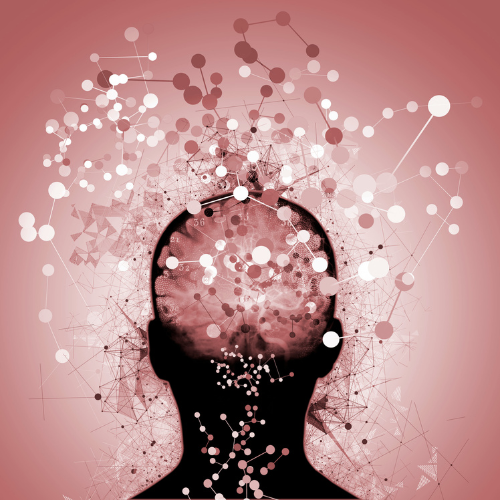
Why Mental Clarity Depends on Your Nervous System
Mental clarity is often treated as a productivity issue. When focus drops, when decision-making feels slower, or when thoughts become scattered, the default response is usually to look for better tools, improved time management, or stronger discipline. These strategies can help at the surface level, but they rarely address the underlying driver of how well the brain can function in the first place.
Mental clarity is a physiological state. At the center of that state is the nervous system, which continuously determines whether the body is operating in a mode that supports clarity or one that prioritizes protection.

Your Physiology Follows Your Identity
When people attempt to change their health habits, the focus often lands on strategy. New routines are introduced, schedules are reorganized, and goals are defined. While these elements can be helpful, long-term change rarely depends on strategy alone. It is shaped more deeply by identity.
Identity influences how we interpret our experiences, how we respond to stress, and which behaviors feel natural or sustainable. It acts as an internal framework that guides everyday decisions, often without conscious awareness. From a biological perspective, identity influences physiology through behavior patterns and nervous system signaling. The way we see ourselves affects how we eat, sleep, move, and respond to pressure. Over time, these patterns shape metabolic health, stress resilience, and cognitive performance. This relationship between identity and physiology is often overlooked in discussions of health optimization. Yet it is central to sustainable change.
When behavior aligns with identity, habits feel stable and consistent. When behavior conflicts with identity, even well-designed plans can feel difficult to maintain. Understanding this connection allows us to approach health change in a more integrated way.

Why Your Brain Feels Full: Understanding Cognitive Load and Decision Fatigue
Sustainable high performance depends on physiological capacity. Cognitive clarity is not created by willpower alone, and it is not sustained by productivity tools in isolation. The brain functions within biological limits. When those limits are consistently exceeded without adequate recovery, mental sharpness declines.
Many high-achieving professionals describe a period when their thinking feels crowded. Decisions that once felt simple begin to require more time. Concentration becomes less stable. There is a subtle sense of friction in tasks that used to flow. The common interpretation is that something is wrong with focus, discipline, or motivation. In most cases, what has changed is biological bandwidth.
The experience of a “full brain” is often a signal of cognitive load exceeding recovery capacity. When we understand the physiology behind this experience, we can respond strategically rather than pushing harder.
Why Some Habits Feel Natural and Others Never Stick
Some habits feel almost effortless. They happen without negotiation, reminders, or mental friction. Others require constant intention and still struggle to hold. Most habit advice explains this difference in terms of effort.

How to Start Your Day Calm, Not Chaotic
For many people, mornings quietly set the tone for the entire day.
Not because of what gets accomplished, but because of how the nervous system is engaged in those first moments of waking. A rushed start, even a subtle one, can create a sense of urgency that lingers well into the afternoon. A steadier start often creates more space than expected, even on busy days.
By late January, this becomes especially noticeable. The initial push to “get back into routine” has passed, and what’s left is reality. Work demands are real. Family needs don’t disappear. Energy may be improving, but it still feels finite.
This is where morning routines often get misunderstood.
A resilient morning routine is not about doing more before 9 a.m. It’s not about optimization or discipline. It’s about how the body transitions from rest into engagement, and whether that transition supports steadiness or reinforces stress.
This article explores what actually makes a morning routine resilient, why calm matters more than control, and how to shape mornings to support energy rather than drain it.

Moving from Crash Recovery to Sustainable Energy
For many people, January begins in recovery mode.
There’s a quiet awareness that energy dipped too low at some point last year. Maybe it happened slowly. Maybe it followed a specific season of overextension. Either way, the body is no longer interested in being pushed the same way.
At first, recovery often looks like rest. More sleep. Fewer commitments. A softer schedule when possible. This phase matters, especially after prolonged stress.
But at some point, another question appears:
How do I move forward without crashing again?
This is where many people get stuck. They don’t feel depleted in the same way anymore, but energy still isn’t reliable. Some days feel steady and clear. Other days feel fragile. It becomes hard to tell what’s helping and what’s quietly draining reserves.
This article is about bridging that gap (moving from crash recovery into sustainable energy) and learning how to track energy in a way that actually supports progress, rather than turning it into another performance metric.
Still Wired & Tired? Try This 3-Step Nervous System Reset
January often arrives with a quiet expectation that energy should simply return. The calendar flips, routines resume, and there is an unspoken assumption that rest naturally follows time off. Yet for many high-functioning adults, especially those coming off a demanding year, the body does not immediately respond that way.
Instead, sleep remains light or fragmented. Focus feels inconsistent. Motivation exists, but it takes more effort to access. Even moments of stillness can feel oddly uncomfortable. This state is commonly described as “wired and tired”—a pattern where the nervous system remains activated long after the external stressors have eased.
This explains why your nervous system may still be in a heightened state, and how to guide it back toward regulation in a way that is steady, supportive, and sustainable.

Don’t Just Set Goals. Program Your Brain to Reach Them
Most people set goals on paper once a year, feel inspired for a moment, and then return to old patterns by February. It’s not because of lack of discipline… it’s because the brain doesn’t change through logic alone. It changes through rehearsal. Visualization is a tool that helps your brain combine:
emotional regulation
clarity
motivation
habit formation
future-oriented planning
When used correctly, it becomes a powerful way to prepare your nervous system for the year you want to create without pressure or perfectionism.

Why Year-End Reflection Feels Hard (Even When You’ve Had a “Good” Year)
The end of a year often comes with pressure… pressure to evaluate, summarize, judge, compare, or declare whether it was “good” or “bad.” And for many people, reflection becomes tangled with guilt:
“I should have done more.”
“I let things slip.”
“I lost momentum.”
“I didn’t stay consistent.”
But here’s the truth most people miss: Reflection is not a report card. It’s a recalibration.
It’s about understanding your habits, your needs, your wins, your growth, and the season of life you're in, without tying them to your worth. What matters most isn’t what you didn’t do. It’s what you learn from what happened.

Gratitude: The Ultimate Holiday Reset
Between gift lists, deadlines, and social expectations, it’s easy to lose sight of gratitude during the holidays. As we move through the season (often juggling more than usual) gratitude becomes one of the simplest and most stabilizing wellness tools we have.
Far from being “feel-good fluff,” gratitude has measurable effects on your brain chemistry, immune function, and emotional resilience. It reduces anxiety, improves sleep, strengthens relationships, and even supports healthy aging.
As the pace around you quickens, even a few intentional moments of appreciation can shift your physiology, rippling through your entire body.

How Rituals Anchor You in Uncertain Times
When life feels unpredictable, the nervous system reacts. Whether it’s global events, personal changes, or shifting routines, uncertainty can trigger stress, anxiety, and even feelings of helplessness.
But there’s a powerful antidote: rituals.
Rituals aren’t just habits or routines. They’re intentional actions that provide grounding, meaning, and a sense of control. Even something as simple as a morning cup of tea, a daily walk, or journaling for five minutes can create a sense of stability in the midst of chaos.
In uncertain times, rituals serve as an anchor, steadying you when external circumstances feel shaky.

Quiet the Noise: How Hypnosis Helps You Regain Control of an Overthinking Brain
You lie in bed exhausted, but your mind is running through tomorrow’s to-do list, replaying old conversations, or worrying about what might happen next week. You try to distract yourself, but the cycle continues.
Overthinking is more than just a mental habit — it’s a pattern your brain and nervous system have memorized. And while meditation or relaxation might help temporarily, many people find their thoughts snapping right back into overdrive.
That’s where hypnosis comes in. Unlike surface-level relaxation, hypnosis works directly with the subconscious mind — the place where overthinking patterns are stored — to help you quiet the mental noise and regain control.
The 4-Second Rule That Builds Emotional Resilience: From Reactivity to Response
We’ve all had moments when emotions hijack our actions before reason has a chance to step in. Maybe you snapped at a loved one, sent a hasty email you later regretted, or let your heart race through a sleepless night replaying a stressful situation.
In those moments, it feels like there’s no gap between trigger and reaction. The body takes over, and the mind scrambles to catch up.
But there is a gap. And within that gap lies the power to transform your stress response.
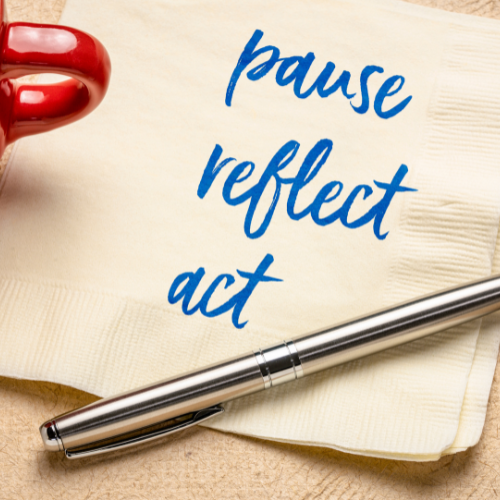
The 4-second rule is a simple, science-backed micro-pause technique that helps you shift from automatic reactivity to calm, intentional response. With practice, those four seconds can change the way you handle stress and build lasting emotional resilience.

Your Mind Is Not Separate from Your Body: How Thoughts Shape Biology
Have you ever noticed how your body instantly reacts to a stressful thought? Your chest tightens, your stomach flips, and your breath becomes shallow. Or, on the flip side, when you imagine something joyful (like holding a loved one or laughing with friends) your body softens and you feel lighter.
This isn’t just a coincidence. Your mind and body are in constant conversation, influencing each other every second. The way you think not only affects your mood but also your biology, from your heart rate to your hormones, from your immune system to your sleep.
Modern science confirms what ancient traditions have long taught: your mind is not separate from your body. Every thought leaves a biological imprint.